<?xml version="1.0" encoding="UTF-8"?>
<?xml-stylesheet href="transform-to-html_v0.4.28.xsl" type="text/xsl"?>
<html xmlns="http://www.w3.org/1999/xhtml">
<head>
          <title>Defsystem UG (haftungsbeschränkt)</title>
          <link rel="icon" href="/favicon.ico" type="image/x-icon"/>
          <link rel="shortcut icon" href="/favicon.ico" type="image/x-icon"/>
          <meta property="og:title" content="Defsystem UG (haftungsbeschränkt)"/>
          <meta property="og:description" content="Defining connected systems. We design sensor systems and IoT devices. We realize proofs of concept, prototypes and minimum viable products (MVPs)."/>
          <meta property="og:type" content="website"/>
          <meta property="og:url" content="https://www.defsystem.net"/>
          <meta property="og:image" content="http://www.defsystem.net/images/defsystem-logo-sq.jpg"/>
          <meta property="og:image:secure_url" content="https://www.defsystem.net/images/defsystem-logo-sq.jpg"/>
          <!-- more headers for html rendering -->


	</head>
<body>
  <article class="post featured">
    <header class="major">
      <span class="date">Mar 6, 2022</span>
      <h2>IoT devices and embedded systems with uLisp</h2>
        <p>
          <!--Demo: IoT devices and embedded systems with uLisp at the European Lisp Symposium 2022 in Porto, Portugal, March 21st - March 22nd 2022.-->
          Meet us at the <a href="https://www.european-lisp-symposium.org/2022/">European Lisp Symposium 2022</a>
          in Porto! We will give a demo »IoT devices and embedded systems with uLisp«.
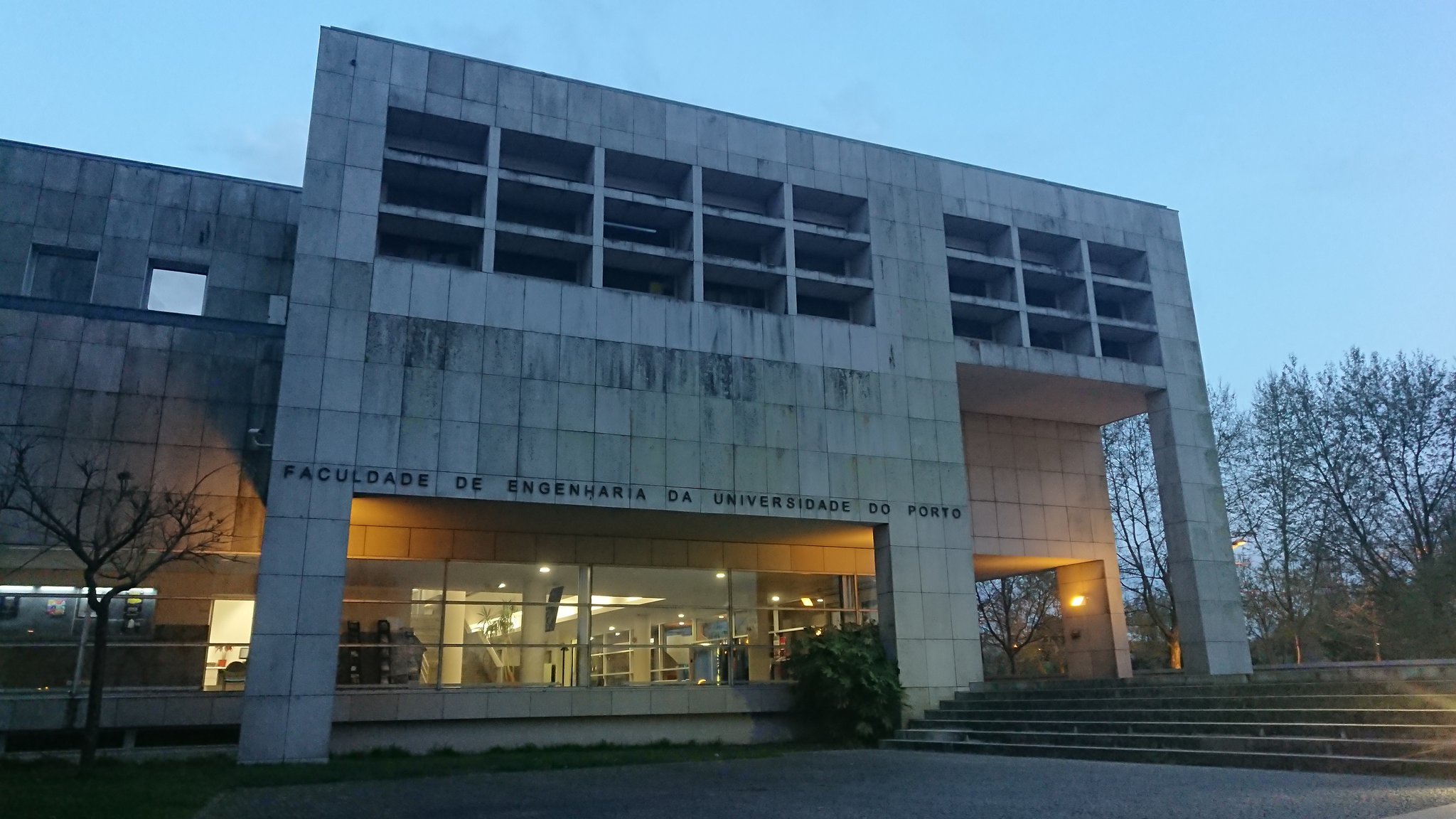
          ELS 2022, FEUP, Porto, Portugal, March 21st – March 22nd 2022.
        </p>
    </header>

        <p>
          You've probably seen uLisp mentioned in the list of languages on the
web page of the European Lisp Symposium. But did you actually look at
it and use it? With this demonstration, Max-Gerd Retzlaff invites you
to do so! uLisp is a version of Lisp designed and authored by David
Johnson-Davies as a subset of Common Lisp to run on microcontrollers.
Max extended uLisp a bit and has been using it since January 2021 for
both fun as well as commercial projects: He has made a hand-held Lisp
machine for his nephew, implemented a small client for the Dydra graph
database to store sensor readings directly in the database for later
analysis and visualization, and even installed a little Lisp computer
in his Vespa motor scooter to serve as a more accurate GPS-based
speedometer and clock.
        </p>
        <p>
More recently, he used uLisp to design and implement a sensor device
for an automated IoT device consisting of ten environmental sensors
and four controllable power sockets to activate environmental control
measures. It is provisioned via Bluetooth (BLE) and communicates with
a REST backend over Wi‑Fi via HTTPs and schema-based JSON to report
sensor readings and to retrieve commands from a controlling smartphone
application (developed by a different party) to control the actors or
to calibrate the more complicated sensors.
        </p>
        <p>
This demonstrates that uLisp is not only fun but mature enough to be
used for serious projects and commercial prototypes.
        </p>
        <p>
      Visit:
      <a href="https://www.european-lisp-symposium.org/2022/">https://www.european-lisp-symposium.org/2022/</a>
          
        </p>
    <a class="image main"><img src="images/IoT-devices-and-embedded-systems-with-uLisp/FEUP_building.jpg" alt="FEUP building in Porto, Portugal"/></a>
    <ul class="actions special">
      <li><a href="index.xml" class="button large">Back to main page</a></li>
    </ul>
  </article>
</body>
</html>